
10 Pre-Diabetes Warning Signs You Shouldn’t Ignore
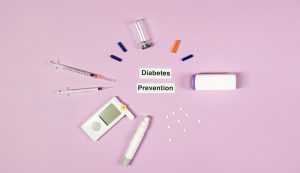
Pre-diabetes is your body’s early warning system, waving a flag to say, “Something’s not right—pay attention!” It’s a condition where blood sugar levels are higher than normal but not yet high enough to be called diabetes. The good news? Pre-diabetes doesn’t mean you’ll inevitably develop diabetes. But catching it early gives you a chance to take charge of your health and reverse the trend.
Here are 10 warning signs of pre-diabetes to look out for. While some may seem subtle, they are your body’s way of asking for help.
1. Increased Thirst
Do you feel like you’re constantly thirsty, no matter how much water you drink? Elevated blood sugar pulls water from your tissues, making you feel dehydrated and parched all the time.
2. Frequent Urination
Are extra bathroom trips interrupting your day (or night)? Your kidneys work overtime to flush out the excess sugar, leading to frequent urination. If this is coupled with unusual thirst, it’s worth getting checked.
3. Unexplained Fatigue
Feeling tired even after a good night’s sleep? High blood sugar interferes with your body’s ability to use glucose for energy, leaving you drained and sluggish.
4. Blurred Vision
If your vision has suddenly gone out of focus, it could be a sign of fluctuating blood sugar levels affecting the shape of your eye’s lens. This isn’t something to overlook—it’s a potential pre-diabetes symptom.
5. Slow-Healing Wounds or Infections
Cuts or wounds taking forever to heal? High sugar levels can impair your immune system and blood flow, making recovery slower. Frequent infections may also point to pre-diabetes.
6. Darkened Skin Patches (Acanthosis Nigricans)
Have you noticed velvety, dark patches of skin, particularly around your neck, armpits, or groin? This skin change is often an early indicator of insulin resistance, a key feature of pre-diabetes.
7. Sudden Weight Gain or Difficulty Losing Weight
Struggling with weight despite your best efforts? Insulin resistance, a hallmark of pre-diabetes, makes it harder for your body to metabolize fats properly, leading to weight challenges.
8. Tingling or Numbness in Hands and Feet
This sensation, called peripheral neuropathy, is often linked to elevated blood sugar levels affecting your nerves. Though more common in diabetes, it can show up in pre-diabetes too.
9. Increased Hunger
Do you feel hungry shortly after eating? Pre-diabetes can disrupt how your body uses insulin, leaving cells starved for energy and prompting you to eat more, even if you’re consuming enough calories.
10. Mood Swings or Irritability
Rapid changes in blood sugar levels can directly affect your mood, leaving you feeling irritable or down. Pre-diabetes doesn’t just impact your body—it can affect your mental state too.
What Should You Do If You Notice These Signs?
If any of these symptoms resonate with you, don’t panic! Pre-diabetes is reversible, especially with early intervention. Here’s how you can take action:

- Get Tested: A simple blood test like fasting blood sugar, HbA1c, or an oral glucose tolerance test can confirm if you’re at risk.
- Adopt a Healthy Diet: Focus on whole grains, lean proteins, healthy fats, and plenty of vegetables. Cut back on processed and sugary foods.
- Stay Active: Regular exercise can improve insulin sensitivity. Aim for at least 30 minutes of moderate activity most days.
- Manage Stress: Stress can wreak havoc on your blood sugar levels. Practice yoga, meditation, or even deep breathing exercises.
- Sleep Well: Poor sleep can increase insulin resistance. Prioritize 7-9 hours of quality sleep every night.
Prevention is Power
Think of pre-diabetes as an opportunity—a chance to reset and reclaim your health. By recognizing the warning signs and making small, consistent changes to your lifestyle, you can prevent or delay the onset of diabetes.
Your body is giving you clues.
Are you ready to listen?