
Overcoming Freezing Episodes with Targeted Exercises in Parkinson’s
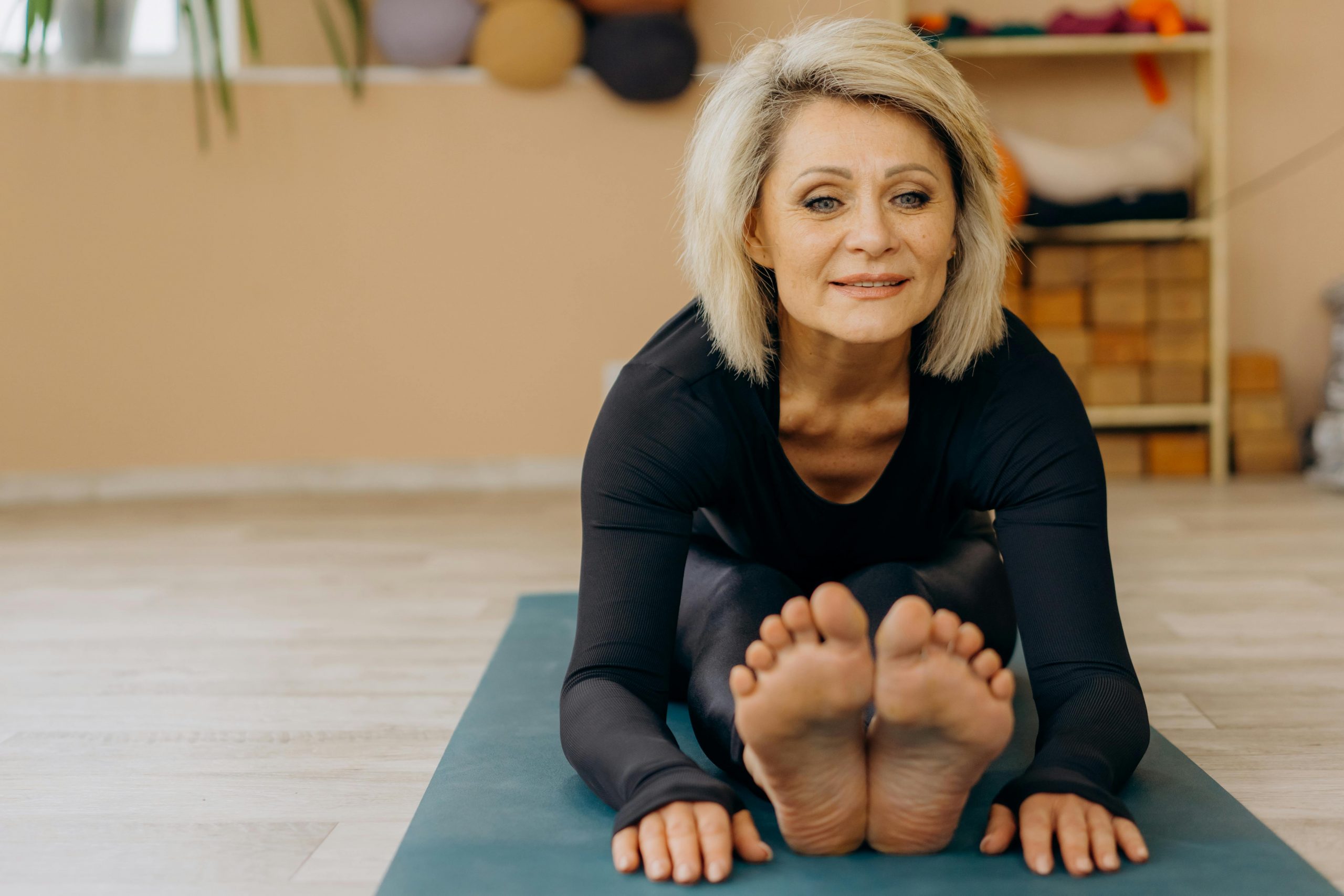
For people living with Parkinson’s disease, freezing episodes can be one of the most frustrating and disabling symptoms. These brief, involuntary pauses in movement — especially during walking — can significantly affect mobility, independence, and confidence. Fortunately, research and real-world experience show that targeted exercises can make a powerful difference. In this blog, we’ll explore what freezing is, why it happens, and how specific exercises can help overcome it.
What Are Freezing Episodes in Parkinson’s?
Freezing of gait (FOG) is a sudden and temporary inability to move, often described as the feeling that your feet are “glued to the floor.” It typically lasts a few seconds, though in severe cases it can go on for longer.
Freezing often occurs:
- When starting to walk
- When turning or changing direction
- When approaching a doorway or narrow space
- In crowded or stressful environments
- During dual-tasking (e.g., walking while talking)
Freezing is unpredictable, which makes it even more distressing. It increases the risk of falls and injuries, which can lead to loss of confidence and social withdrawal.
Why Does Freezing Happen?
Parkinson’s disease affects the brain’s ability to control movement. As the disease progresses, the pathways that initiate and regulate automatic movements become impaired. Freezing can be triggered when the brain is overloaded — for instance, when switching tasks or processing complex environments.
Several factors contribute to freezing:
- Dopamine depletion in brain areas that control motor function
- Impaired cue processing
- Anxiety and stress
- Fatigue
- Cognitive load (doing two things at once)
The good news? You can retrain your brain using external cues and targeted exercises.
How Can Targeted Exercises Help?
Targeted physical therapy and exercise routines are among the most effective ways to manage and reduce freezing episodes. These exercises focus on:
- Improving balance and coordination
- Enhancing stride length and posture
- Strengthening muscles
- Training the brain to respond to cues
- Boosting confidence and reducing anxiety around movement
Let’s dive into the types of exercises and strategies that are most helpful.
1. Cueing Strategies: Training the Brain to Move
Cueing involves using external prompts to help initiate or continue movement. There are three main types:
Visual cues
- Place strips of tape or laser lines on the floor.
- Imagine stepping over a line or object.
- Use floor tiles or rugs as targets.
Auditory cues
- Use a metronome or beat to set a rhythm for walking.
- March in time to music with a strong, steady beat.
Tactile cues
- Tapping your leg or arm before initiating a step.
- Using a walking stick or cueing device that vibrates.
Practicing these cues during daily walks or under the guidance of a physical therapist can reduce the frequency of freezing episodes.
2. Stepping and Walking Drills
These drills help retrain walking patterns and improve control.
Marching in place
- Stand tall and lift your knees alternately like you’re marching.
- Try to coordinate with a beat (e.g., one-two-one-two).
- Do this for 30 seconds, rest, and repeat.
High stepping
- Walk forward with exaggerated steps.
- Focus on lifting your feet and swinging your arms.
- Use verbal cues like “BIG step!”
Lateral stepping
- Step side-to-side slowly and deliberately.
- Use markers on the floor for guidance.
- This helps when freezing occurs during turns.
Start hesitation practice
- Stand still, count down from three, then step forward.
- Practice starting from different foot positions and directions.
3. Turning Practice
Many freezing episodes happen while turning. Practicing smooth, slow turns can help.
Clock turn exercise
- Imagine standing in the center of a clock.
- Step from center to each hour in a clockwise direction.
- Then repeat in the opposite direction.
Quarter turns
- Practice turning in 90-degree increments.
- Step-pause-step to stay balanced and avoid rushing.
Cone or marker turns
- Place cones or objects in a circle.
- Practice walking around them slowly and with purpose.
Always turn with small steps, and avoid twisting your body.
4. Balance and Posture Exercises
Improving balance helps you recover from freezes more easily and reduces fall risk.
Tandem standing and walking
- Stand with one foot in front of the other (heel-to-toe).
- Try walking in a straight line like this.
Weight shifting
- Shift your weight from side to side while standing.
- Combine with stepping sideways or forward.
Core strengthening
- Gentle yoga, Pilates, or seated exercises to strengthen your core.
- A strong core improves overall stability.
Tai Chi
- This slow, flowing practice improves coordination and balance.
- Research shows Tai Chi can reduce fall risk in people with Parkinson’s.
5. Dual-Task Training
Freezing worsens when you’re doing two things at once. Practicing dual tasks in a controlled setting can help your brain adapt.
Walking while counting
- Walk and count backward from 100 by twos.
- Or try naming animals or fruits as you walk.
Obstacle courses
- Set up simple courses at home.
- Practice navigating while talking or holding an object.
Hand movements + walking
- Clap hands or move arms while walking.
- Try switching hand motions as you go.
Start slowly and increase complexity with time.
6. Strength and Flexibility Work
Stiff muscles and weak legs can worsen freezing.
Leg presses and squats
- Improve lower body strength.
- Start with chair squats or use resistance bands.
Ankle and calf stretches
- Keeps joints flexible.
- Prevents shuffling and small steps.
Hamstring and hip stretches
- Loosen tight areas that affect stride length.
Gentle stretching every day keeps your body moving fluidly.
7. Mental Strategies and Visualization
Your brain plays a big role in freezing. Training it to respond calmly can help reduce episodes.
Visualization
- Before walking, imagine the steps you’ll take.
- Picture yourself stepping over lines or dancing.
Self-talk and commands
- Use phrases like “Step big,” “Swing arms,” or “One-two-go!”
- These cues can break the freeze.
Mindfulness and breathing
- Deep breathing helps reduce anxiety during a freeze.
- Staying calm lets your body reset and resume movement.
Practical Tips to Reduce Freezing
- Avoid rushing. Give yourself time.
- Use consistent routines and pathways.
- Keep spaces clutter-free and well-lit.
- Use walking aids or devices with built-in cues.
- Talk to your neurologist about medication timing.
- Engage with a Parkinson’s-specific physical therapist.
When to Seek Professional Help
If freezing is becoming frequent or dangerous, consult with a physiotherapist trained in Parkinson’s care. They can:
- Design a personalized exercise program
- Monitor your progress
- Teach safety techniques
- Introduce assistive devices or technologies
Your neurologist may also adjust your medication if freezing occurs during “off” periods (when medication is wearing off).
Final Thoughts
Freezing episodes can feel discouraging, but they’re not unbeatable. Through regular, focused exercises and the use of external cues, many people with Parkinson’s regain smoother, more confident movement. Whether it’s stepping to a rhythm, visualizing a big step, or practicing turns and balance, these strategies help rewire the brain and body to work together.
The key is consistency and patience. With support from professionals, caregivers, and support groups, you can keep moving forward — one step at a time