
The Neurobiology of Parkinson’s Disease: How It Affects the Brain
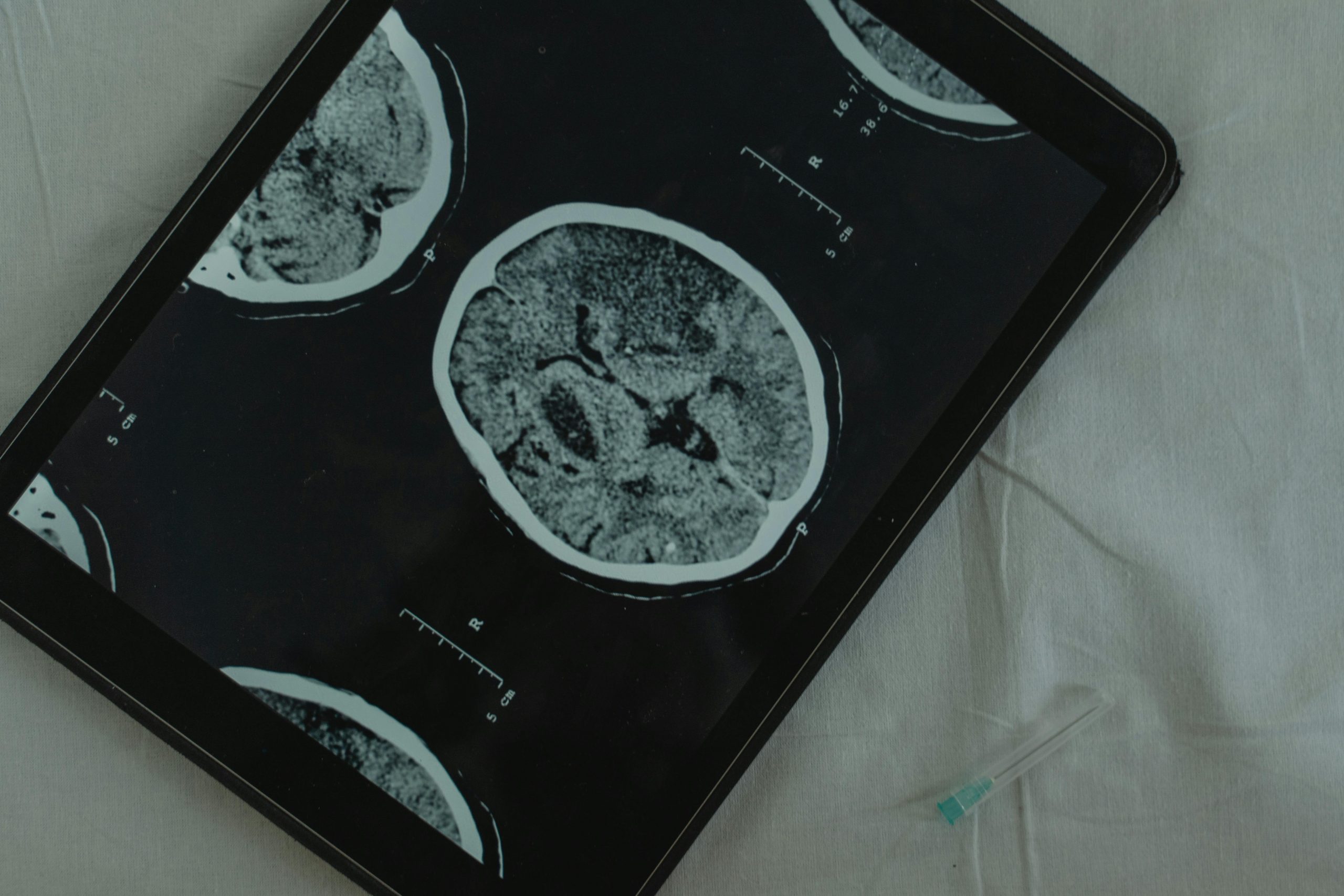
Parkinson’s disease is a chronic, progressive neurological disorder that primarily affects movement. It was first described by British physician James Parkinson in 1817, and despite over two centuries of research, it remains a complex and challenging condition. At its core, Parkinson’s disease is a disorder of the brain’s ability to produce and regulate dopamine—a key neurotransmitter that affects everything from movement to mood.
In this blog, we’ll explore the neurobiology of Parkinson’s disease: how it develops, which parts of the brain it impacts, and what researchers have uncovered about its underlying mechanisms.
Understanding Parkinson’s Disease
Before diving into the neurobiology, let’s briefly define what Parkinson’s disease is. It is a neurodegenerative disorder, meaning it results from the gradual loss of neurons in the brain. While it is most well-known for causing tremors, stiffness, and slowed movement, Parkinson’s also impacts cognitive functions, mood, sleep, and autonomic functions over time.
It typically affects people over the age of 60, though early-onset cases can occur. The disease progresses slowly and symptoms can vary widely between individuals.
Dopamine and the Basal Ganglia: The Movement Control Center
The hallmark of Parkinson’s disease is the degeneration of neurons in a specific area of the brain called the substantia nigra pars compacta. This area is part of the basal ganglia, a group of structures deep within the brain that help coordinate movement.
The neurons in the substantia nigra produce dopamine, a neurotransmitter that acts as a chemical messenger. Dopamine released by these neurons helps regulate the activity of other areas of the basal ganglia, especially the striatum (which includes the caudate nucleus and putamen). This regulation is essential for smooth, controlled movements.
In Parkinson’s disease, these dopamine-producing neurons gradually die off. As dopamine levels drop, the brain can no longer control movement properly, leading to symptoms like:
- Tremors (shaking)
- Bradykinesia (slowness of movement)
- Muscle rigidity (stiffness)
- Postural instability (balance problems)
This loss of dopamine is often described as the core pathological hallmark of Parkinson’s.
The Role of Alpha-Synuclein and Lewy Bodies
Another key feature of Parkinson’s neurobiology is the accumulation of a protein called alpha-synuclein. In healthy neurons, alpha-synuclein plays a role in synaptic function, especially in the release of neurotransmitters.
But in Parkinson’s disease, this protein misfolds and clumps together to form structures known as Lewy bodies. These abnormal protein aggregates are found in the substantia nigra and other parts of the brain, and they are believed to interfere with normal cellular functions, eventually leading to cell death.
The exact reason why alpha-synuclein misfolds is not fully understood, but it is one of the most intensely studied areas in Parkinson’s research.
How Parkinson’s Affects Other Brain Areas
Though Parkinson’s begins with the loss of dopamine neurons in the substantia nigra, it does not remain confined to that area. Over time, the disease affects other parts of the brain, contributing to a wider range of symptoms.
1. Brainstem and Autonomic Nervous System
The brainstem is involved in controlling basic bodily functions like heart rate, digestion, and sleep. Parkinson’s can affect this region, leading to non-motor symptoms such as constipation, low blood pressure, and sleep disturbances.
2. Limbic System
This system plays a key role in emotion and memory. When Parkinson’s affects structures like the amygdala and hippocampus, patients may experience mood disorders (like depression and anxiety) and cognitive decline.
3. Cortex
As the disease progresses, it can spread to the cerebral cortex, the part of the brain responsible for higher-level thinking and reasoning. This is associated with problems in decision-making, attention, and eventually, Parkinson’s disease dementia in some patients.
Mitochondrial Dysfunction and Oxidative Stress
Beyond dopamine and Lewy bodies, Parkinson’s disease also involves problems at the cellular level. One of the major factors contributing to neuron death is mitochondrial dysfunction.
Mitochondria are the “powerhouses” of the cell, generating the energy needed for the cell to function. In Parkinson’s, mitochondrial damage can lead to an overproduction of reactive oxygen species (ROS)—unstable molecules that damage cell components in a process known as oxidative stress.
This oxidative stress contributes to the death of neurons in the substantia nigra and possibly other regions as well.
Neuroinflammation and Glial Cells
In recent years, researchers have also highlighted the role of neuroinflammation in Parkinson’s disease. Inflammatory processes in the brain, driven by immune cells called microglia and astrocytes, can lead to further neuronal damage.
While inflammation is a normal response to injury, chronic inflammation in Parkinson’s disease may accelerate the progression of neurodegeneration. It’s still unclear whether inflammation is a cause or a consequence of the disease, but it’s a growing area of research.
Genetic and Environmental Factors
While most cases of Parkinson’s are considered sporadic (i.e., they occur without a known cause), about 10-15% of cases are linked to genetic mutations. Some of the genes implicated in Parkinson’s include:
- LRRK2
- PARK7
- PINK1
- SNCA (which encodes alpha-synuclein)
- DJ-1
These genes affect a variety of cellular processes, from protein handling to mitochondrial function. Their mutation can predispose individuals to developing Parkinson’s at an earlier age or with different symptom patterns.
Environmental toxins like pesticides, herbicides (e.g., paraquat), and heavy metals have also been associated with a higher risk of developing Parkinson’s, possibly by causing oxidative stress or damaging mitochondria.
Braak’s Hypothesis: Parkinson’s Starts in the Gut?
A fascinating theory proposed by neuroanatomist Heiko Braak suggests that Parkinson’s might begin outside the brain—particularly in the gut. According to this hypothesis, misfolded alpha-synuclein may start in the enteric nervous system (the “second brain” in the gut) and travel to the brain via the vagus nerve.
This theory is supported by the fact that many patients experience gastrointestinal symptoms, such as constipation, years before motor symptoms appear. Ongoing research is examining the gut-brain connection and its role in the early stages of Parkinson’s.
Can the Brain Heal or Adapt?
The brain has some capacity for plasticity—the ability to adapt and reorganize itself. In the early stages of Parkinson’s, the brain may compensate for dopamine loss by increasing dopamine receptor sensitivity or recruiting other brain circuits.
Unfortunately, as the disease progresses and more neurons die, these compensatory mechanisms are overwhelmed. However, this understanding has inspired treatments aimed at enhancing neuroplasticity or protecting neurons from further damage.
Conclusion: A Complex Puzzle Still Being Solved
Parkinson’s disease is not just a movement disorder—it is a complex neurobiological condition that affects multiple systems and brain regions. From dopamine deficits and protein misfolding to mitochondrial dysfunction and inflammation, many factors contribute to its development and progression.
While there is still no cure, deepening our understanding of the neurobiology of Parkinson’s opens the door to more effective treatments. Researchers are exploring therapies that not only manage symptoms but also modify the disease itself—targeting alpha-synuclein, boosting mitochondrial health, and calming neuroinflammation.
Parkinson’s remains a scientific mystery in many ways, but each discovery brings us one step closer to unraveling its secrets and improving the lives of millions affected by this condition.