
How Insulin Sensitivity Changes in Your 60s and What You Can Do About It
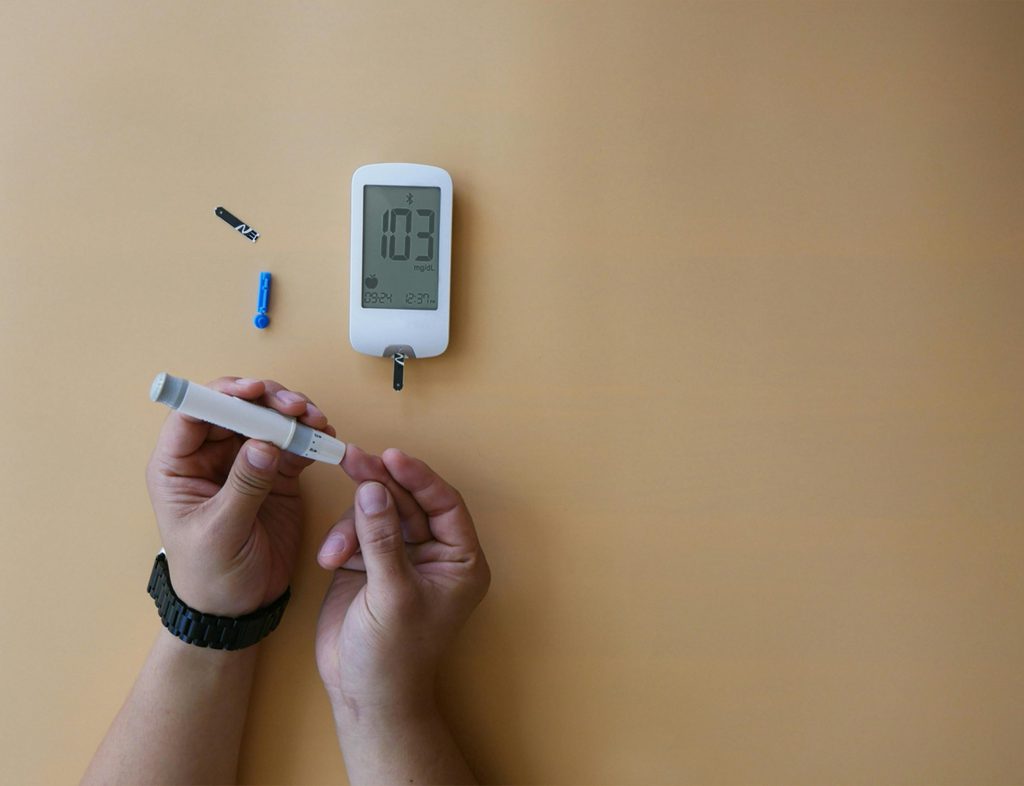
In your 60s, your body starts acting a bit differently. You may be eating the same food, doing the same activities, but somehow, your sugar levels begin to creep up. Energy feels lower. Belly fat becomes stubborn. And even small snacks seem to stick around your waist.
What’s going on?
Let’s talk about insulin sensitivity—and why it matters more than ever now.
First, what is insulin sensitivity?
Insulin is a hormone. It helps move sugar from your blood into your cells for energy. Think of insulin as the key that unlocks the door to your body’s energy bank.
If your body is “sensitive” to insulin, the key works well. Sugar moves easily into your cells. Your energy stays steady, and your blood sugar levels stay balanced.
But in your 60s, that key doesn’t work as well. Your body becomes less sensitive to insulin. That means sugar stays in your blood instead of going into your cells. This condition is called insulin resistance.
Why does this happen in your 60s?
Age plays a big role. As we grow older:
- We tend to lose muscle and gain fat.
- We move less than we used to.
- Hormonal changes slow things down.
- Our cells don’t respond to insulin as quickly.
All of these increase insulin resistance. And when that happens, blood sugar rises. Your body produces more insulin to try and fix it. But that only makes things worse.
Over time, this can lead to type 2 diabetes, weight gain (especially around your stomach), fatigue, and more cravings.
But wait, there’s good news. You can do something about it!
Yes, really. Even in your 60s, you can improve your insulin sensitivity. Your body may be slower, but it’s still smart and responsive. Let’s see how.
1. Get moving—daily!
Exercise is the best medicine. When you move your muscles, they use more sugar from your blood. That means less sugar stays behind to cause trouble.
Walking is great. So is yoga. Dancing, cycling, or even gentle strength training can help. Aim for 30 minutes a day. Even 10-minute sessions, three times a day, work wonders.
2. Eat smart, not less
Cutting calories won’t help unless you’re eating the right food. Focus on:
- Whole grains (like brown rice, millets, oats)
- Plenty of vegetables (especially leafy greens)
- Protein (dal, curd, paneer, eggs, fish)
- Healthy fats (nuts, seeds, ghee in small amounts)
Reduce sugar. Avoid white bread, white rice, and fried snacks. And don’t skip meals! Balanced meals help keep blood sugar stable.
3. Build some muscle
No, you don’t have to lift heavy weights. But doing some strength exercises helps your body store sugar in muscles instead of fat. Try:
- Wall push-ups
- Chair squats
- Resistance bands
- Light dumbbells
Even 2-3 times a week can make a big difference.
4. Sleep well, stress less
Poor sleep and high stress increase insulin resistance. Aim for 7–8 hours of sleep. Create a relaxing bedtime routine. Avoid screens at night.
For stress, try deep breathing, meditation, or even laughter therapy. Yes, watching a comedy show can actually help your hormones!
5. Stay hydrated
Water helps flush out excess sugar. Avoid sugary drinks. Stick to plain water, buttermilk, or herbal teas.
6. Get regular check-ups
Don’t wait until you feel unwell. Ask your doctor to check:
- Fasting blood sugar
- HbA1c (3-month average of your sugar levels)
- Fasting insulin levels
The earlier you catch insulin resistance, the easier it is to manage.
7. Avoid crash diets and magic cures
In India, we love home remedies. But not every WhatsApp forward is good for your health. Don’t go on extreme fasts or drink strange concoctions without checking with your doctor.
Your body needs real food, regular meals, and a gentle routine.
8. Surround yourself with support
If your family knows your health goals, they can help you stay on track. Walk with a friend. Cook healthy meals together. Join a senior wellness group. Staying social keeps you active and motivated.
In your 60s, insulin sensitivity may go down—but your control goes up
This is not about punishment. It’s about power. Understanding insulin is like having the user manual to your body. You now know what’s happening and what you can do.
Your 60s can be a time of freedom, wisdom, and vibrant health—if you work with your body, not against it.
If this blog made you smile, think, or go “Oh, that’s me!”—share it with someone you care about. You never know whose life you might change.
Like what you read? Tap that like button, follow our page for more real, relatable health tips, and share this post with your walking group, family WhatsApp group, or yoga buddies.
Let’s take charge of our health together—one healthy habit at a time!