
Caring for the Bedridden Elderly at Home: A Labour of Love
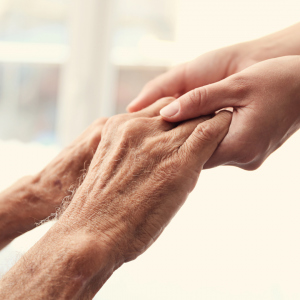
Caring for a bedridden elderly loved one at home is a demanding task that requires immense patience, dedication, and knowledge. It’s a journey filled with challenges, but with the right support and understanding, it can be managed effectively.
This blog aims to shed light on various aspects of bedridden care, from understanding the challenges faced by both the patient and caregiver to exploring solutions and support systems.
Who is Bedridden?
A bedridden individual is someone unable to get out of bed due to illness, injury, or advanced age. This condition can significantly impact their physical, emotional, and mental well-being.
The reasons for bedridden state can vary widely, including:
- Chronic illnesses: Conditions like Parkinson’s, Alzheimer’s, or severe arthritis can limit mobility.
- Post-surgery recovery: Major surgeries may require extended bed rest.
- Frailty due to old age: As people age, physical capabilities decline, leading to bedriddeness.
- Disabilities: Congenital or acquired disabilities can hinder movement.
Challenges Faced by the Bedridden Person
Life confined to a bed presents numerous challenges. These include:
- Physical discomfort: Pressure sores, muscle atrophy, and pain are common issues.
- Limited mobility: Inability to perform basic activities of daily living (ADLs) can lead to frustration and dependency.
- Social isolation: Lack of interaction with others can cause feelings of loneliness and depression.
- Dependency on others: Reliance on caregivers for basic needs can affect self-esteem.
- Difficulty in seeking medical assistance: The logistics of travel and waiting times make medical care inaccessible for a bedridden person.
Challenges Faced by the Caregiver
Caring for a bedridden loved one is emotionally and physically draining. Caregivers often experience:
- Physical exhaustion: Constant caregiving demands can lead to burnout.
- Emotional stress: Dealing with the patient’s needs while managing personal life can be overwhelming.
- Financial strain: Medical expenses and potential loss of income can create financial burdens.
- Neglect of personal needs: Caregivers often prioritise the patient’s well-being over their own.
Risks of Not Having a Regular Doctor
Regular medical supervision is crucial for bedridden patients. Without it, they face increased risks of:
- Worsening health conditions: Untreated or undetected medical issues can deteriorate quickly.
- Infections: Bedridden patients are more susceptible to infections due to weakened immunity.
- Pressure sores: Lack of proper care can lead to painful and debilitating bedsores.
- Delayed medical care: The logistical challenges can discourage the patient from seeking timely medical care.
Dr. V. S. Natarajan Geriatric Foundation’s Work in Bridging the Gap
Dr. V. S. Natarajan Geriatric Foundation (DVSNGF) is playing a crucial role in filling this gap by providing doctor home visits to the elderly in Chennai. This innovative approach is a lifeline for many families struggling to care for bedridden loved ones.
How Home Health Visits by Our Doctors Helps the Bedridden Elderly
Home health visits by physicians and Geriatricians brings medical expertise directly to the patient’s home, providing several benefits:
- Convenience and Accessibility: Eliminates the challenges of transporting a bedridden patient to a clinic, saving time and effort for both the patient and caregiver.
- Preventive Care: Regular home visits allow for early detection of potential health issues, enabling timely intervention and preventing complications.
- Personalised Care: Doctors can assess the patient’s environment and tailor treatment plans accordingly, ensuring optimal care.
- Regular Monitoring: Regular home visits enable doctors to closely monitor the patient’s condition, detect changes early, and prevent complications.
- Improved Quality of Life: By providing timely medical attention and support, home health visits can significantly enhance the quality of life for both the patient and caregiver.
- Caregiver Support: Doctors can provide guidance and support to caregivers, addressing their concerns and questions.
Caring for a bedridden elderly person is a challenging but rewarding journey. By understanding the challenges faced by both the patient and caregiver, and by seeking appropriate support, it’s possible to provide the best possible care.