
Lung Health and Longevity: What Science Tells Us
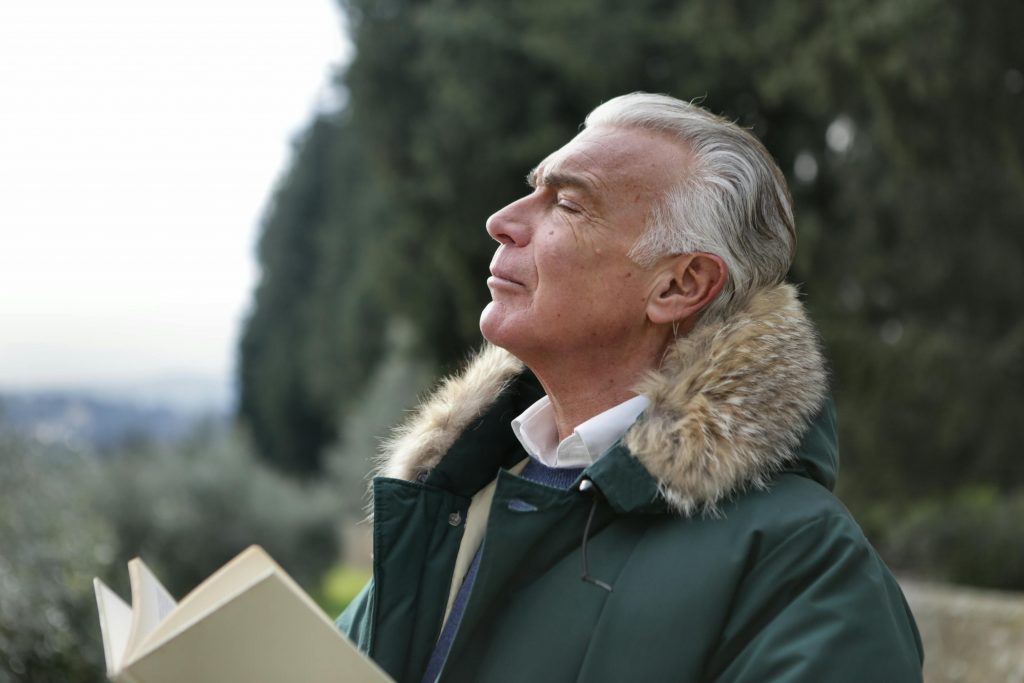
As we grow older, we begin to understand that health isn’t just about avoiding illness. It’s also about preserving our strength, independence, and the ability to enjoy daily life.
Among all the organs that help us live well, the lungs quietly play one of the most important roles. Yet, lung health often gets overlooked—especially in older adults.
Science now shows us that healthy lungs are directly linked to how long and how well we live. Let’s explore what research reveals about this connection, and how small changes can make a big difference at any age.
Why Lung Health Matters More with Age
Our lungs age just like the rest of our body. From our 30s onward, lung function starts to decline gradually. The muscles that help us breathe get weaker. The air sacs in the lungs become less elastic. This means our lungs may not take in as much oxygen as they once did.
For someone in their 50s, 60s, 70s or beyond, this slow change can affect stamina, energy, and even mental alertness. If lung function drops too low, it can lead to serious health problems like chronic breathlessness, reduced immunity, or even heart strain.
But here’s the good news—this process can be slowed down. Studies show that with the right habits, we can preserve lung function and even improve it in later life.
What Science Tells Us About Lungs and Longevity
Over the years, many researchers have tried to understand why some people live longer and healthier lives than others. In one large study, scientists followed thousands of adults for decades. They found that lung function was one of the strongest predictors of long-term survival—even stronger than cholesterol or blood pressure.
People with better lung capacity had lower risks of heart disease, stroke, and even dementia. They stayed more active, independent, and engaged in life. The lungs, it seems, are not just about breathing—they’re deeply connected to the health of the entire body.
In another study from Europe, lung function was found to predict overall lifespan, regardless of whether the person smoked or had other illnesses. This shows how essential it is to care for the lungs—no matter your history.
Common Challenges to Lung Health in Older Adults
There are some specific risks that affect lung health in later years:
- Exposure to air pollution: Urban living can lead to years of breathing in polluted air.
- Past smoking: Even if someone quit years ago, past tobacco use can leave its mark.
- Sedentary lifestyle: Less movement means the lungs aren’t fully stretched or exercised.
- Undiagnosed respiratory problems: Conditions like asthma or early-stage COPD may go unnoticed until symptoms worsen.
Add to this seasonal infections, weak immunity, or chronic illnesses like diabetes—and the lungs have a lot to cope with.
Simple Habits That Protect Your Lungs
Fortunately, science also gives us a clear path forward. Many simple, sustainable habits can strengthen and protect your lungs—no matter your age.
1. Keep Moving, Even Gently
Walking, stretching, or yoga—all help the lungs work better. Movement encourages deep breathing, which keeps the airways clear and boosts lung strength.
2. Practice Breathing Exercises
Techniques like deep belly breathing or pursed-lip breathing can expand lung capacity. Even five minutes a day can help.
3. Stay Away from Smoke and Dust
Avoid secondhand smoke, incense, and dusty rooms. Use a mask when cleaning or stepping out during high-pollution days.
4. Improve Indoor Air Quality
Ventilate your home regularly. Use exhaust fans. Consider indoor plants that purify air, like peace lilies or areca palms.
5. Get Vaccinated
Flu, pneumonia, and COVID-19 can affect lungs severely. Vaccines help reduce complications and speed recovery.
6. Eat Lung-Friendly Foods
Fruits, vegetables, nuts, and spices like turmeric and ginger contain antioxidants that support lung health.
7. Don’t Ignore a Lingering Cough or Breathlessness
Many people delay medical advice. A check-up can catch problems early and prevent further damage.
What If You’ve Already Had Lung Issues?
Even with past challenges—like a history of smoking, previous infections, or pollution exposure—it’s never too late to care for your lungs. Many older adults find that regular breathing practice, light exercise, and a few changes at home lead to clearer breathing and more energy within weeks.
Doctors often recommend pulmonary rehabilitation, which includes exercise, education, and support to strengthen lung function. It’s especially helpful for those with chronic bronchitis, asthma, or COPD.
Lungs and Mental Well-Being
There’s another link that science highlights: good lung health supports better mental health. When the body gets enough oxygen, it helps improve concentration, reduce anxiety, and lift your mood. Deep breathing is often used in meditation or stress relief for this very reason.
So, taking care of your lungs isn’t just about preventing illness—it’s about feeling calm, clear, and more connected to daily life.
A Long Life Deserves Good Breath
Lung health and longevity are closely tied. By giving a little daily attention to your breathing, your posture, your habits, and your environment, you’re not just protecting your lungs—you’re investing in your future.
Breathing is the most natural thing we do. And yet, when we do it well, it supports every part of our well-being—heart, brain, muscles, even sleep.
So pause. Take a deep breath. And remember:
Every breath is a gift. Let’s take care of the lungs that give it to us.
We’d love to hear from you.
Have you tried any breathing exercises or lung-friendly habits that worked for you? Or do you have a question about lung health in later years?
Share your thoughts in the comments below.
If you found this blog helpful, please like, share it with friends or family, and subscribe to stay updated on more health and wellness topics that matter.
Every breath counts—let’s breathe better, together.