
The Gut-Brain Connection: How Gut Health Affects Brain Function
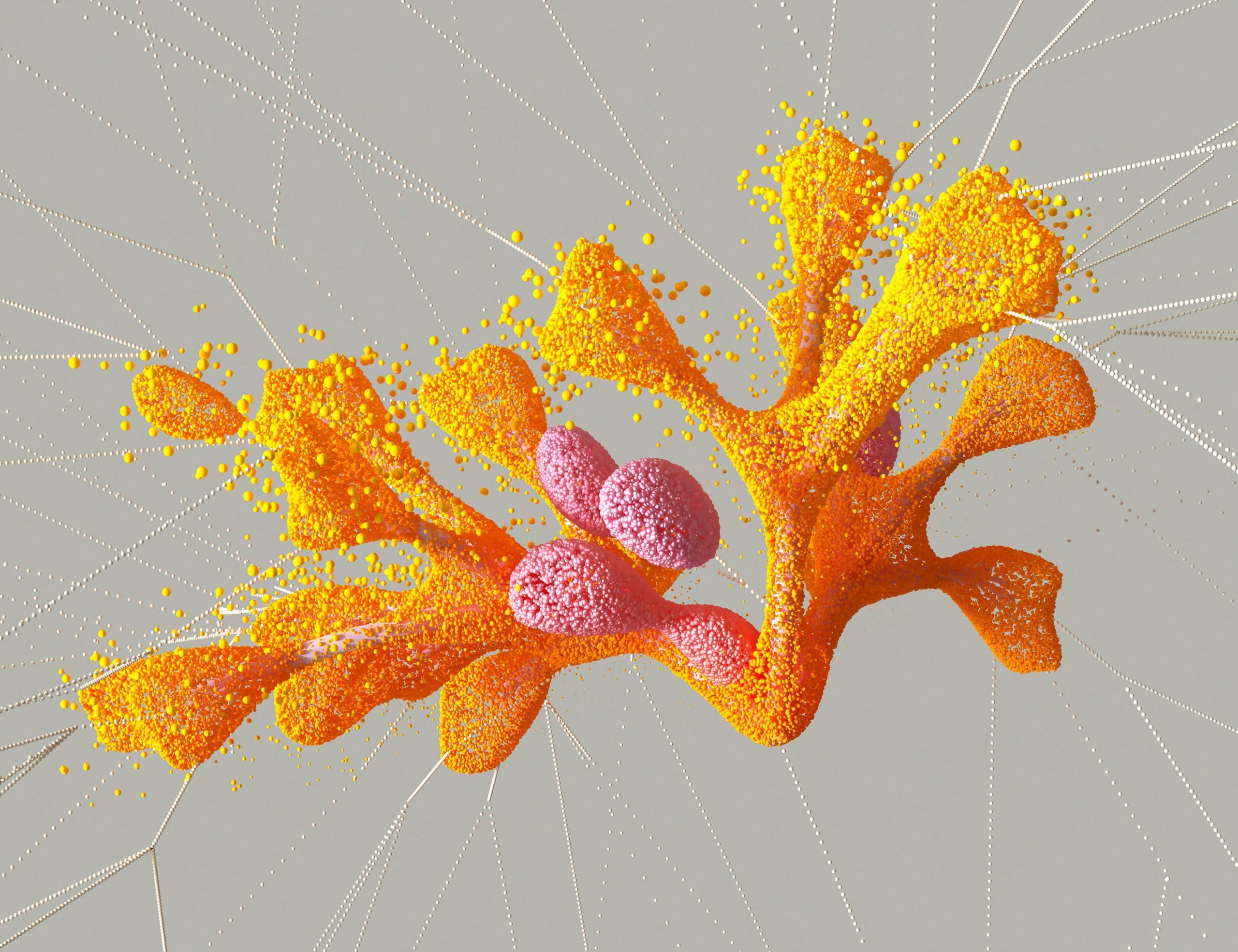
The gut and brain may seem like two separate systems, but they are intricately connected. This link, known as the gut-brain connection, plays a crucial role in mood, cognition, and overall mental health. The gut is often called the “second brain” because of its ability to communicate with the central nervous system through millions of neurons, hormones, and neurotransmitters. Understanding this connection can help improve both digestive and brain health.
1. The Role of the Gut Microbiome
The gut is home to trillions of bacteria, collectively known as the gut microbiome. These microbes help digest food, produce essential nutrients, and regulate the immune system. However, they also influence brain function. Beneficial bacteria produce neurotransmitters like serotonin and dopamine, which affect mood, memory, and focus. When the microbiome is balanced, it supports cognitive health, but when it’s disrupted, it can lead to anxiety, depression, and cognitive decline.
2. The Gut and Mental Health
Studies show that an unhealthy gut can contribute to mental health conditions like anxiety and depression. Inflammation caused by an imbalanced gut microbiome can send distress signals to the brain, leading to mood disorders. Probiotics, found in fermented foods like yogurt and kefir, can help restore gut balance and improve mental well-being.
3. Inflammation and Brain Fog
Chronic gut inflammation can trigger systemic inflammation, which affects brain function. This can lead to brain fog, difficulty concentrating, and even an increased risk of neurodegenerative diseases like Alzheimer’s. Eating an anti-inflammatory diet rich in fiber, fruits, vegetables, and omega-3 fatty acids can reduce inflammation and improve cognitive function.
4. The Impact of Diet on the Gut-Brain Axis
The food we eat has a direct impact on the gut-brain connection. Processed foods, sugar, and artificial additives can disrupt the gut microbiome, leading to poor brain function. On the other hand, whole foods, prebiotics (like garlic and onions), and probiotics support a healthy gut and enhance brain function.
5. Stress and Digestion
Stress has a significant impact on digestion and gut health. When we’re stressed, the body releases cortisol, which can disrupt the balance of gut bacteria. This can lead to digestive issues like bloating, constipation, or diarrhea, all of which can affect brain function. Stress management techniques like meditation, deep breathing, and yoga can improve both gut and brain health.
6. Sleep and the Gut-Brain Connection
Sleep plays a vital role in gut and brain health. Poor sleep disrupts gut bacteria, leading to imbalances that can affect mood and cognition. Establishing a healthy sleep routine, reducing screen time before bed, and avoiding heavy meals at night can promote better gut health and improve mental clarity.
7. How to Improve Gut and Brain Health
- Eat a balanced diet: Include fiber-rich foods, healthy fats, and fermented foods.
- Manage stress: Practice relaxation techniques to reduce gut inflammation.
- Get enough sleep: Aim for 7-8 hours of quality sleep per night.
- Stay hydrated: Drinking enough water helps digestion and brain function.
- Exercise regularly: Physical activity promotes gut health and improves mood.
Final Thoughts
The gut-brain connection highlights how closely linked our digestive and cognitive health are. By making small lifestyle changes—such as improving diet, reducing stress, and getting quality sleep—you can support both gut and brain function, leading to better mental clarity, mood, and overall well-being.