
Turmeric, Tulsi & Testosterone: Can Ayurveda Balance Your Hormones After 60?
Crossing 60 is a beautiful milestone. It brings with it wisdom, calm, and often, a little extra time to care for one’s self.
Yet, many seniors quietly face challenges that are rarely spoken about—especially when it comes to hormones. While most people associate hormonal changes with women and menopause, men also experience hormonal shifts, commonly referred to as andropause.
These changes can lead to fatigue, mood swings, decreased libido, memory lapses, and even muscle loss. In both men and women, one of the key players in these changes is testosterone.
Now, here’s the twist: can nature lend a hand in restoring this delicate balance?
Ayurveda says yes.
Hormonal Imbalance After 60: A Silent Struggle
Many older adults don’t realize their symptoms are related to hormones. Aches and pains? Maybe it’s just age. Low energy? Perhaps it’s the weather. But what if it’s more? Declining testosterone in men, and estrogen/progesterone in women, can trigger a range of physical and emotional changes. But nature has its own wisdom. For centuries, Ayurveda has used herbs and natural remedies to address imbalances gently, without invasive treatments.
Among these herbs, two names keep surfacing—turmeric (haldi) and tulsi (holy basil). Ancient, trusted, and easily found in every Indian kitchen or garden, these aren’t just for cooking or morning chai.
Turmeric: The Golden Healer
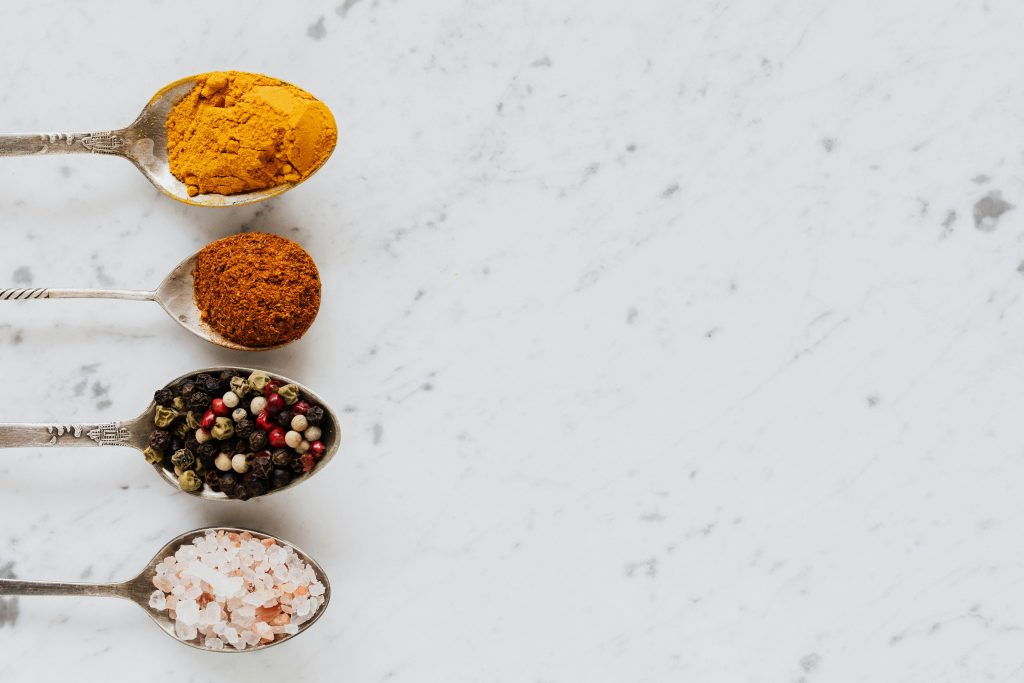
Turmeric is more than a bright yellow spice—it’s a powerhouse of curcumin, which has strong anti-inflammatory and antioxidant effects. These properties help in protecting the endocrine system (the one that controls your hormones) from damage caused by stress and toxins.
For men, curcumin has shown promise in increasing testosterone levels naturally by reducing oxidative stress in the testicles, where testosterone is produced. For women, turmeric can help with balancing estrogen levels, managing menopausal symptoms like hot flashes, joint pain, and mood changes.
More importantly, turmeric supports the liver, which plays a central role in hormone metabolism. A healthy liver ensures hormones are broken down and used properly in the body.
Tulsi: The Sacred Stress-Buster
Tulsi isn’t called “holy basil” for nothing. Revered in Indian homes and temples, it’s also a powerful adaptogen—meaning it helps the body adapt to physical and emotional stress.
One of the major reasons for hormone imbalance, especially in older adults, is chronic stress. Cortisol, the “stress hormone,” when elevated for long periods, can suppress testosterone and interfere with other hormonal systems. Tulsi works by calming the nervous system, lowering cortisol levels, and restoring a sense of balance. It also helps regulate blood sugar and supports the adrenal glands, which are responsible for producing several hormones, including sex hormones.
Regular use of tulsi tea or fresh tulsi leaves can gently guide the body back to equilibrium.
Ayurvedic Harmony: It’s Never Too Late
Ayurveda doesn’t see aging as a problem—it sees it as a phase of life that needs a different kind of nourishment. By working with nature rather than against it, we can support our body’s natural rhythms.
Here are some simple Ayurvedic-inspired habits that can support hormone balance after 60:
- Start the day with warm water and turmeric. Add a pinch of black pepper to enhance curcumin absorption.
- Drink tulsi tea in the evening. It calms the mind and prepares the body for restful sleep.
- Follow a regular routine. Wake up, eat, and sleep at the same time every day. The body loves rhythm.
- Practice gentle movement. Yoga and walking keep circulation going and help reduce stress.
- Oil massage (Abhyanga). Using warm sesame oil before bath can nourish the skin, improve circulation, and support hormonal balance.
- Eat sattvic food. Fresh, warm, and lightly spiced meals keep the digestive fire strong and help the body process hormones better.
What About Testosterone Supplements?
While some turn to hormone replacement therapy or testosterone injections, these can come with side effects. Ayurveda offers a gentler, more holistic path. It might take longer, but it works with the body, not just for it.
Shatavari, ashwagandha, gokshura—these are other Ayurvedic herbs that support hormone health. But turmeric and tulsi? They’re simple, safe, and effective for daily use, especially for elders.
A final note: Ayurveda always encourages personalization. What works for one person might need tweaking for another. It’s wise to consult an Ayurvedic practitioner who understands your body type (prakriti) and current imbalances (vikriti).
Every stage of life deserves attention and care. Aging doesn’t mean decline—it means transformation. And nature, with her golden turmeric and fragrant tulsi, is ready to help you thrive.
Have you tried using turmeric or tulsi in your daily routine?
Have you or a loved one noticed any changes in health after 60?
We’d love to hear your experience. Drop your thoughts in the comments below and share this post with someone who could benefit from nature’s gentle wisdom.